You're all sorted. What's next?
4 minute read
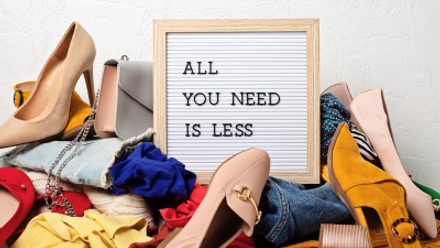
If you have been inspired by the articles in our series this week, you may have started to look carefully at your home and begun to recognise there are items you no longer want to keep. You may have gone from room to room, or category to category and worked out what you will no longer need or use. You may have started to gather these items into one place.
But then what? Where should all these things go?
Are they all destined for the bin? Or can we make different, better, possibly more interesting choices?
Eventually, all things wear out or are so badly deteriorated that they have no further useful life. But can we delay that moment and get more use and value from these products that have been made from the Earth’s precious resources?
APDO member Jasmina Gluszynski looks at the ways to dispose of the results of our decluttering by helping us think about choices that can be kind to our homes and the planet. Domestically, it may seem like we have only two choices: landfill or recycling — what is the difference?
The difference between landfill and recycling
- Landfill: This is the end of the road. Items are buried and can take years - even centuries - to break down, during which they may release harmful gases. Sometimes the waste gets burnt instead of buried, but that releases harmful gases into the atmosphere, too. Either way, once something is in the landfill or incinerator, it’s not coming back into use.
- Household recycling: This is where items are taken apart and turned into something new. It saves energy and raw materials. But it has limits - mixed materials, dirty items or a lack of local facilities can get in the way, limiting the range of items that can be put in the recycling bin.
Here is where circularity comes into play. Instead of asking, “Which bin shall I put this unwanted item in?” try asking, “How can this be useful again?”
Your three best options are Donate, Sell or Recycle through specialist collection schemes.
1. Donate (for clean, usable items)

Charity shops and reuse centres love good clothing, books, small appliances and homeware.
To save yourself time, check what they’re accepting before you go.
Some charities want specific things: interview clothes, baby items (within safety rules), blankets for animal shelters or musical instruments for community groups.
Tip: Pack donations as if gifting to a friend — clean, complete and labelled. They’re more likely to be accepted and resold.
2. Sell (even for less than you hoped)
- Try online marketplaces (like Facebook Marketplace or Vinted), local community groups or consignment stores. Realistic prices help items move and get used again.
- Group similar things into bundles to save time. For furniture, share sizes and clear photos to cut down on messages.
- If you don’t have time to do it yourself, find a reseller in your area. They usually charge a percentage of the sale price or will buy the whole lot from you for a fixed price.
Tip: Set a deadline (e.g. two weeks). If it hasn’t sold by then, donate it. Progress beats perfection.
3. Specialist recycling (the right way)
Check your council’s guidance to see what goes in your kerbside recycling bin and what needs a trip to a Household Waste and Recycling Centre.
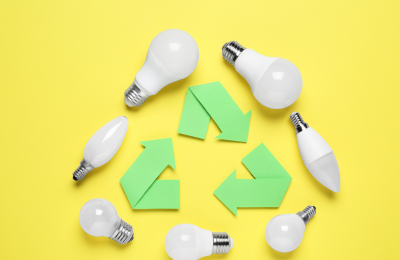
Use shop take‐back points for things like batteries, light bulbs, printer cartridges, soft plastics and small electronics.
Old textiles that can’t be worn again can often be recycled into rags or insulation.
Tip: Keep a small “drop‐off bag” by the door for special items so you can take them on your next errand.
As you are going through your sorting and decluttering process it is worth working gently and patiently on a mindset shift. The thought “If I declutter it, it will go to waste” can become “If I keep it unused, its value is wasted.” Passing items on lets the time, money and materials already invested keep working.
Even so, recycling and reuse aren’t limitless. Not everything can find a second life — which is why the most effective step is to buy less and buy better.

Tips on how to buy less and choose better
Pause before buying: Will I use it often? Do I already have something that works?
Pick quality items that can be repaired.
Choose timeless over trendy so it lasts longer.
Borrow, rent or buy second‐hand when it makes sense.
REMEMBER: as much as we are all responsible for our choices, we are being bombarded with advertisements and constant pressure to buy more and have more - so be gentle with yourself when learning new ways. It is usually not an overnight change but small, consistent steps can create long-lasting habits.
If sorting, decluttering and mindfully moving on items currently feels a bit overwhelming, you could perhaps buddy up with someone else on the same journey and share tips and ideas.
You could perhaps also consider enlisting the help of an APDO-registered Professional Organiser. A lot of organisers help remove unwanted items from homes and there are many for whom sustainable strategies are at the core of their business. Organisers can:
- Build a clear Donate–Sell–Recycle plan specific to your area and your goals.
- Know which local charities, reuse centres and take‐back schemes are currently welcoming items.
- Help you prepare items so they’re quickly accepted or sold, reducing the chance of landfill.
- Set up simple systems so future buying is more intentional.
- Arrange collections and drop‐offs with licensed carriers and charities, and keep you informed.
Some professional organisers will even do a dump run for items no longer salvageable: do check at the consultation stage.
Decluttering is step one. The real change comes from how we pass things on - and what we bring home next. With thoughtful choices and the practical support of a professional organiser, you can cut waste, keep useful items in circulation and create a calm home that reflects what you truly value.
Jasmina Gluszynski, founder of 40 Home Staging, is a professional organiser, declutterer and homestaging specialist based in Brighton and Hove who works across the whole of Sussex. She is an APDO member, accredited by Circular Economy Institute. Her goal is to help people to let go of clutter in a more conscious way.