Choosing Intention in a World Designed to Keep Us Buying
"Happiness is the smell of a new car. It's freedom from fear. It's a billboard on the side of a road that screams with reassurance that whatever you're doing is OK. You are OK."
3 minute read
These are the words of the fictional character, Don Draper, the high-level ad executive, in the pilot episode of the hit TV series Mad Men.
In today’s world we are bombarded relentlessly, at an increasingly alarming rate, through our devices and social channels. We are targeted by companies with laser-focused precision via algorithms with messages engineered to prey on our fears and challenges and exploit our basic human needs for belonging and reassurance, with the promise of happiness.
The result is that we overbuy, we stretch ourselves financially, we find it difficult to instil in the next generation the value of money, and we have an excess of things in our homes that we don’t need, use or love.
But beneath overconsumption, there is often something deeper happening. Today, APDO member Vicky Little looks at ways to combat overconsumption in our lives.
Sometimes we buy things because we are stressed, overwhelmed or exhausted. Sometimes we consume because we are seeking comfort, distraction, hope or identity. We convince ourselves that the next purchase might finally help us feel more in control, more fulfilled or more like the person we want to become.
The role of self-compassion
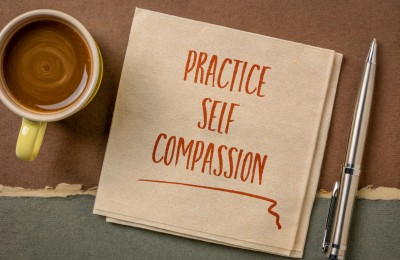
When we begin reflecting more honestly on our consumption habits, it’s important that we do so with compassion rather than criticism.
Overconsumption is rarely about laziness or lack of willpower. Shopping can provide a temporary dopamine boost during periods of stress, anxiety, loneliness or burnout. In this fast-paced and demanding world, that response is deeply human.
Self-compassion allows us to acknowledge our habits without shame. Rather than criticising ourselves for the clutter, overspending or impulsive purchases, it is instead about becoming curious about what those behaviours may have been trying to provide us with at the time.
Identify your core values
Identifying our core values can help us make more intentional and meaningful choices.
For some people, freedom may be a core value. For others, it may be security, calm, creativity, connection, love or adventure. Our values are often shaped by our personal experiences, strengths and challenges, and they can become a powerful tool when it comes to easing decision-making and living with intention.
My core values are self-compassion, growth and simplicity. These form my backbone and support me in making intentional decisions, whether that’s choosing what to eat, an item to purchase or an experience I wish to have. By identifying and connecting with our own values, we become less vulnerable to mindless consumption and impulse buying.
So rather than asking “Do I want this?” we begin asking “Does this support the person I am and the life I want to live?”
Creating space for intentional living
Combatting overconsumption does not require perfection or dramatic lifestyle changes overnight. Often, it begins with small moments of awareness and more intentional daily choices.
Decluttering and creating organised spaces within our homes can make a significant difference. When we can clearly see what we already own, we are far less likely to buy unnecessary duplicates.
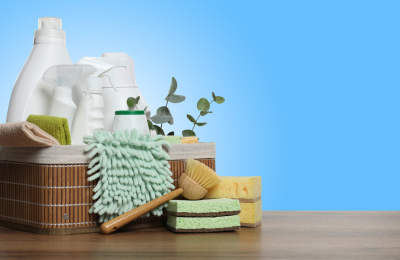
Cleaning products are a perfect example of this. Many of us have cupboards filled with half-used sprays, cloths and supplies simply because we forget what we already have, or they are not visible to us. Organisation creates visibility, and visibility supports intentional consumption.
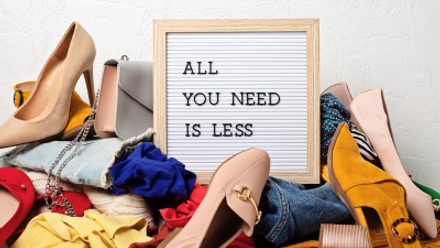
The same can be true with our wardrobe items. Fast fashion encourages us to buy cheaply and often, at a great cost to ourselves as well as the planet, but investing in fewer, better-quality pieces that we genuinely love and wear regularly can often save money in the long run. It also encourages a healthier relationship with our wardrobes, one based on longevity rather than constant replacement, and is more sustainable.
Combatting overconsumption is not simply about buying less. It is also about creating environments that support clarity, calm and intentional decision-making.
Our homes have a powerful impact on our mental and emotional wellbeing. When our spaces become overwhelmed with excess, it can leave us feeling mentally cluttered, making it harder to think clearly, stay organised or make intentional choices.

An APDO professional organiser can provide compassionate, non-judgemental support to help you understand your habits, reduce overwhelm and create systems that genuinely support your lifestyle, values and future goals.
Because happiness is rarely found in the smell of a new car, but rather in creating the space we need — physically, mentally and emotionally — to slow down and live with greater intention.
With compassion, Vicky helps overwhelmed people create calm, functional homes that support their needs, lifestyles and wellbeing. Professional organising since 2023, when she founded Crowded House Decluttering, Vicky combines her lived experience as a late diagnosed ADHD woman and a parent of a child with autism, with her professional expertise, and her approach blends empathy and active listening with practical organisation.