‘Add to Basket’ - The Hidden Costs of Compulsive Shopping
5 minute read
APDO member Lisa Barrett shares with us today about compulsive shopping, sometimes called compulsive buying disorder.
Far more common than most of us realise, compulsive shopping can look like enthusiasm, generosity or a love of beautiful things. But, as any professional organiser knows, the real story often reveals itself in overflowing wardrobes, unopened parcels and homes that feel more like storage units than sanctuaries.
And behind the clutter, there’s usually something deeper going on.
- Sometimes shopping becomes a quick way to soothe stress or loneliness. That little hit of anticipation or novelty can feel like relief, even if it’s temporary.
- For others, buying something new creates a sense of control when life feels messy. “I can’t fix everything, but I can fix this right now.”
- There’s also the emotional lift of imagining a better version of yourself — the outfit that makes you more confident, the gadget that makes you more productive, the décor that makes your home feel calmer.
- What about the ‘aspirational’ purchases - wanting to become proficient at a particular type of craft or creative project, or some DIY? Along come lots of tools, books and materials but these are often never used.
How Serious is the issue?

According to Gitnux’s 2025 Shopping Addiction Report, 58% of compulsive buyers carry large debts directly linked to their shopping habits.
PROMIS.co.uk state that around 8 million people in the UK are affected by shopping addiction.
73% of marriages where one partner is a compulsive buyer experience financial arguments—a reminder that clutter doesn’t just take up space: it takes an emotional toll.
45% of those identified as compulsive shoppers admit to hiding purchases or bank statements from family members. As organisers, we often see the physical evidence of this secrecy—bags tucked behind coats, boxes hidden under beds, tags still attached and sometimes large numbers of shopping bags that have never been unpacked.
WifiTalents’ 2025 report notes that shopping addiction affects around 5% of the global population, and 80% are female.
Why Compulsive Shopping Happens
Compulsive shopping is a behavioural pattern often tied to emotional regulation. Shopping provides a temporary dopamine hit—a momentary sense of control, comfort or escape.
Unfortunately, the feeling doesn’t last long and what follows is guilt, shame and more clutter than the home can comfortably hold.
As organisers, we approach this with compassion, patience and understanding. We are not here to judge, but to help clients regain clarity, confidence and control over their space, as well as their future purchasing choices and habits.
We recognise that the modern world is bombarding us with advertising at every turn. With social media, TV and shopping channels, and shopping apps full of ‘bargains’, it can become overwhelming. It is easy to be drawn into the culture of fast fashion, ever-changing home and make up trends, the newest foods and supplements. We are made to feel that we just need this new ‘thing’ and life will be better.
How Compulsive Shopping Shows Up in the Home
Some of the most common patterns we see:
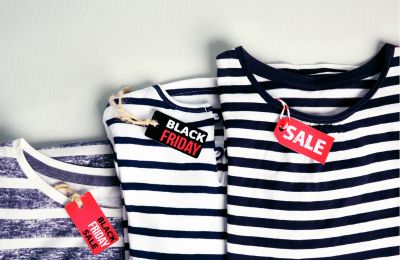
- Duplicate items: multiple versions of the same product, often still in packaging – either because they were on sale, or the original purchase was forgotten or hidden in the clutter.
- Overflowing storage spaces: cupboards, wardrobes and drawers filled beyond capacity.
- Unopened parcels: deliveries that go straight from the doorstep to a hiding place.
- Emotional resistance to decluttering: guilt, overwhelm or fear when facing accumulated items.
- Feeling the need to hold on to items that aren’t really wanted but may have been expensive or have an aspirational purpose that hasn’t yet been fulfilled.
Practical Steps to Regain Control
As professional organisers, we focus on gentle, sustainable strategies that empower our clients, and help build their confidence and self esteem. Here are some steps we might suggest:
- Start with awareness. Track purchases for two weeks. Patterns often reveal themselves quickly.
- Create a ‘shopping rule’ that works for you. For instance, leave any non-essential or novelty items in your online shopping cart for 24 hours before completing the purchase.
- Take someone with you when you go out shopping. Explain to them what your budget is that day and that you need support to stop overbuying.
- Use a shopping list and stick to it – a meal plan or having a specific clothing item in mind can help with this (it doesn’t have to be rigid or perfect, but can be a useful guide to help stay on track).
- Avoid ‘offers’. If it’s too good to be true, it probably is! It’s okay to buy just one of something if that’s all you need, even if the shop tries to lure you with ‘3 for the price of 2’).
- It’s only a bargain if you actually needed it in the first place.
- You’re not actually ‘saving’ money by buying sale items if you weren’t going to buy them at full price anyway.
- Delete shopping apps from your phone, including turning off all alerts. For many shopping sites you will need to delete your account in multiple locations.
- Avoid internet shopping during the night. Remember the earlier suggestion of leaving items in your shopping basket.
- Stop watching shopping channels. Their sole purpose is to convince you that you need the items they are selling – 99% of the time you don’t.
- Set physical limits in the home. One drawer for stationery, one shelf for skincare, one basket for accessories – if there’s no space for any more items then pause purchasing those until some have been used up. Take photos to remind you of this while you are out shopping and feel tempted, or you’re not sure if you have something at home already.
- Seek emotional support. Compulsive shopping is often a coping mechanism for dealing with difficult and uncomfortable feelings. Addressing these directly may help reduce the feeling that you need to shop.
The Path Forward

Compulsive shopping is more common—and more human—than many people realise. The statistics remind us that this isn’t rare or unusual: it’s a widespread challenge affecting finances, relationships and individual wellbeing, with the knock-on effect that cluttered homes cause stress, anxiety and in more extreme situations the home can become unsafe.
With the right support, it’s absolutely manageable. A home can become a place of calm again. Habits can shift. And the cycle of Buy>Regret>Hide doesn’t have to continue.
If you or someone you love is struggling with clutter tied to compulsive shopping, you’re not alone—and change is possible. A Professional Organiser can help you and can be found by searching our membership directory.
Lisa is the founder of Clutter Free Living and has been an APDO member for 9 years. She specialises in supporting clients experiencing hoarding behaviour, bereavement and neurodivergence. She provides training on a range of subjects and is also a practicing Independent Social Worker.