
How to Organise Your Paperwork (Without Losing the Will to Live)
4 minute read
If there’s one category of clutter that almost everyone puts off sorting, it’s paperwork. The piles of post, old files stuffed onto shelves and “important” paperwork that never quite makes it to a home of its own. Paper has a way of quietly multiplying until it feels overwhelming.
Organising your paperwork is rarely exciting, but here’s the good news. Once it’s done, it brings a huge sense of calm and control. No more frantic searching for documents or cupboards full of documents you may need one day. It is one of those jobs that feels surprisingly freeing once you have finished.
APDO member Sue Spencer helps us discover that as with most decluttering it can feel a bit overwhelming at first but it’s so much easier once it’s split into manageable steps.
Step 1: Understand What You Have
Before you try to organise anything, you need to see the full picture. Paper tends to spread itself out across a home, so the first job is gathering it together.
Collect paperwork from drawers, bags, shelves and filing cabinets – don’t forget the pile on the kitchen worktop that you keep meaning to deal with! Seeing it all in one place can be a real eye-opener to just how much you have, but it’s worth doing — you can’t decide what to keep until you know exactly what’s there.
At this stage, you can discard any junk mail, empty envelopes and old newspapers but don’t sort or declutter. Simply gather. Make a cup of tea, take a deep breath, and remind yourself that this is about creating clarity, not perfection.

Step 2: Declutter What You No Longer Need
Paperwork often lingers long after it has served its purpose. Old bank statements, expired warranties, duplicate print-outs of emails or information you can easily access online all add to the noise.
Ask yourself simple questions as you work through your papers to help you decide what you want to keep:
- Is this still relevant?
- Do I legally need to keep it?
- Could I access this digitally if needed?
I recommend checking the GOV.UK website for guidance on how long to keep business-related paperwork, and speaking with your accountant or financial adviser about whether you need to hold on to other investment or financial documents.
Always dispose of your important paperwork in a secure way - anything containing personal or financial information should be shredded or obscured with a redaction roller. This isn’t just about decluttering: it’s also protecting your identity and peace of mind.
Step 3: Categorise Before You Organise
Once you’re left with only what you need to keep, the next step is categorising. This is where order and your future organising system starts to emerge.
Common categories include:
- Financial
- Household and utilities
- Insurance
- Medical
- Work or business
- Family and personal
- Manuals and warranties
Don’t overcomplicate this stage. Categories should make sense to you and reflect how you naturally think so you can easily find the paperwork you need when you look for it. If you find yourself hesitating over where something belongs, that is often a sign you have too many categories. You can always subdivide broader categories like finance in to different accounts using labelled folders.

Step 4: Consider Digitising Important Papers
If you are tech-savvy then digitising paperwork can be a helpful part of the process. Scanning important documents reduces the amount of physical paper you need to store and makes it easier to access information when you need it.
Think about digitising items such as:
- Insurance policies
- Manuals and warranties
- Medical letters
- Financial statements
- Household documents you may need occasionally
Remember to keep things simple. Use clear file names, organise digital folders in the same way as your paper categories, and make sure files are backed up securely. It is still important to keep original copies of legal documents such as wills, deeds and certificates, even if you have digital versions.
Digitising is not an all or nothing decision. You can keep paper where it feels reassuring and go digital where it feels practical.
Step 5: Reduce Incoming Paperwork
One of the best ways to keep paperwork under control is to reduce what arrives in the first place. I always recommend that my clients:
- Unsubscribe from marketing mail and unnecessary subscriptions
- Switch to digital statements for banks, utilities and insurance
- Ask companies to email invoices rather than sending paper copies
- Stop catalogues and newsletters you no longer read
Reducing incoming paper stops the clutter building up and will save you time in the long term.
Step 6: Choose a Storage System That Fits Your Life
The best paperwork system is one you’ll actually use. Filing cabinets are no good if they don’t fit in your home or don’t work with how you like to keep things organised.
Once you’ve decluttered all the unnecessary paperwork, take a look at what’s left and decide:
- How much paper you realistically need to store
- How often you need to access it
- Where you’d naturally look for documents
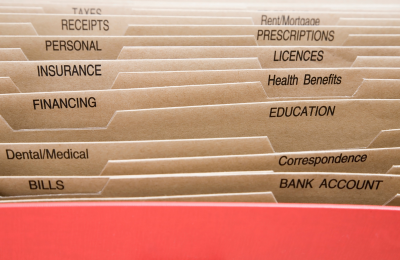
For many households, a simple labelled folder system works beautifully. Others prefer box files or a small filing drawer. Keep frequently used documents easy to reach and archive older paperwork separately.
Step 7: Create a Simple Maintenance Habit
Unfortunately, paperwork doesn’t organise itself, so maintenance matters. The aim is not daily admin but small, regular habits that stop paper from piling up again.
Try:
- Opening post daily and dealing with it immediately
- Having a single tray or folder for incoming paperwork
- Scheduling a monthly paperwork check-in
- Shredding unwanted papers regularly rather than saving them up
Keeping on top of your paperwork little and often is much easier than a big overhaul once a year.
A Final Thought
Paperwork might not be the most exciting thing to organise, but the impact is huge. Knowing where your documents are, trusting that you can find what you need and letting go of what no longer serves you creates a sense of calm that makes everyday life easier. If you would like a Professional Organiser to support you with your paperwork organising, use our Find an Organiser directory to find a specialist to suit you.